ABOUT MAA DHARI DEVI TEMPLE
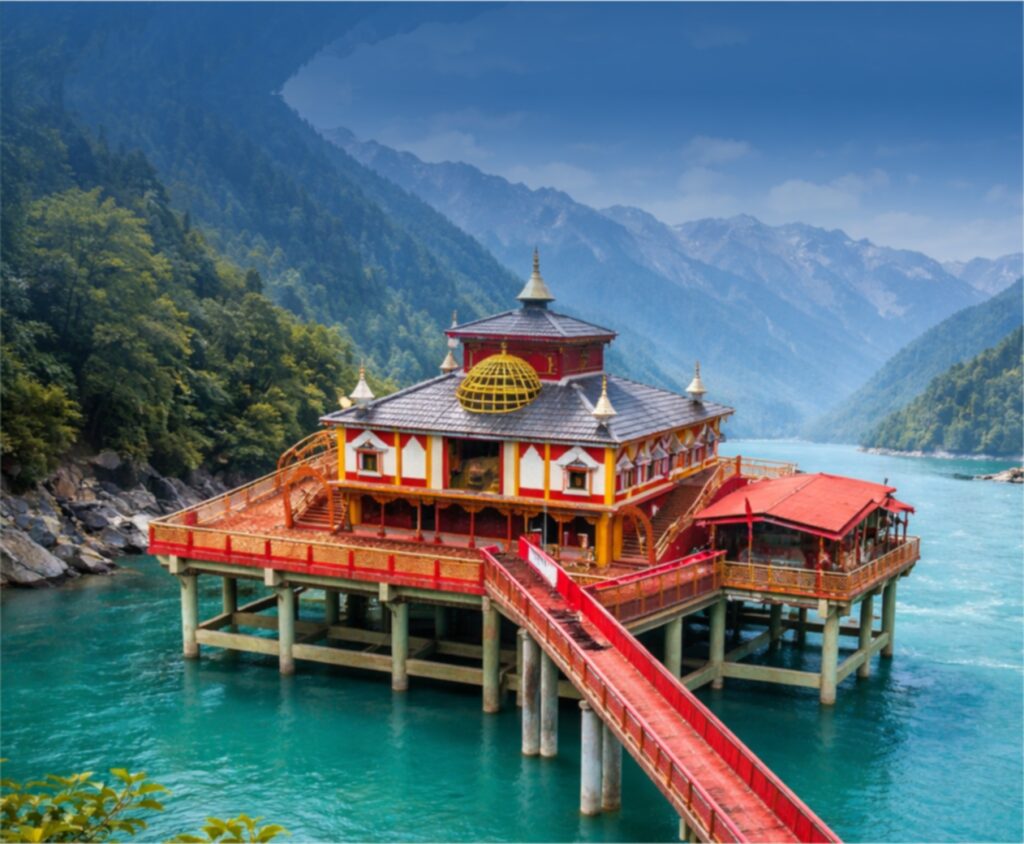
Maa Dhari Devi is a revered Hindu goddess worshipped as a powerful form of Goddess Kali and regarded as the protector deity of Uttarakhand. Her temple is located on the banks of the Alaknanda River, in Dhari gaon, Srinagar (Pauri Garhwal) in the Uttarakhand.
A major spiritual place for pilgrims traveling to char dhaam.
Maa Dhari Devi is not just a temple it is a symbol of faith, protection, and the spiritual strength of Uttarakhand.
To worship Maa Dhari Devi is to experience the motherly grace of Shakti herself reminding every devotee that where true devotion exists, the maa dhari devi herself stands watch, guiding, protecting, and preserving dharma for all eternity.
THE STORY BEHIND MAA DHARI DEVI TEMPLE
Maa Dhari Devi was the only sister among seven brothers. Their parents passed away when they were very young, so her brothers raised her with love and care. Maa Dhari Devi loved her brothers deeply. Even as a small child, Maa Dhari Devi helped them and took care of the household. Maa Dhari Devi shared a strong and pure bond with all her brothers.
but, Over time, misunderstandings arose. The brothers were made to believe that their sister’s presence was unlucky for them. When five of the brothers passed away, the remaining two, filled with fear and grief, wrongly believed that their sister was the reason for their misfortune.
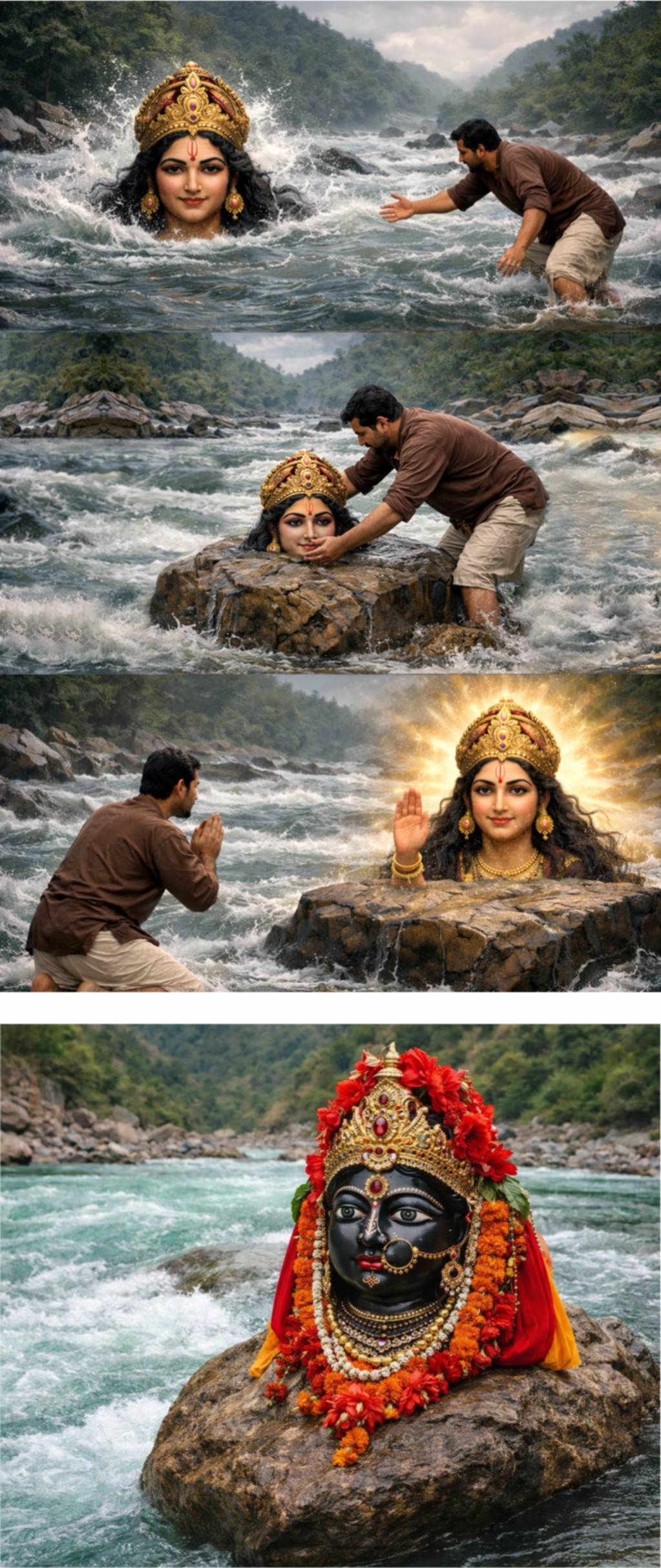
Fearing for their own lives, they made a wrong decision and planned to kill her. When Maa Dhari Devi was only thirteen years old, They separated her head from her body and threw it into the river. The head flowed with the river and reached Dhari Village and the lower body flowed with the river and reached Mathiyana Khal village.
During this, great flood arose in the holy Alaknanda River, shaking the mountains and villages along its banks. After the waters began to recede, the villager witnessed a miraculous sight the divine upper form of the Goddess appearing and flowing gently in the river. He wanted to help but was afraid because the river was deep. At that moment, he heard a divine voice assuring him of safety and asking him to save her. When he went closer, he realized it was not an ordinary human form, but a divine manifestation. The Maa Dhari Devi instructed him to place her sacred form on a stone at that very spot.
This is how Maa Dhari Devi chose her holy place on a rock platform in the middle of the Alaknanda, near Dhari village, where she continues to be worshipped to this day on a rock under the open sky. Through this story, devotees believe that divine power never ends it appears in different forms to protect and guide the world.
MEANING OF MAA DHARI DEVI
- “Dhari” means to hold, to place, or to sustain.
- “Devi” means goddess.
MAA DHARI DEVI DIVIDED INTO TWO PARTS-MEANING & BELIEF
According to local belief
Maa Dhari Devi is worshipped in two parts
- Upper Part (Head) – worshipped at Dhari Devi Temple on the banks of the Alaknanda River, Srinagar, Uttarakhand.
- Lower Part (Body) – worshipped at Maa Mathiyana Temple situated at Bhardar Patti, Mathiyana Khal village, Rudraprayag, Uttarakhand.
Symbolic meaning the division represents:
- Maa Dhari Devi (Head) → Protection, vigilance, and guardianship
- Maa Mathiyana (Body) → protective form of the same divine energy
Together, they symbolize the complete Shakti (divine feminine power) protecting the region.
| ASPECT | Maa Dhari Devi | MAA MAITHANA |
|---|---|---|
| Main Goddess | Maa Kali | Maa Kali |
| Idol | Head | Shila/ Pindi |
| District | Srinagar | Rudraprayag |
MAA DHARI DEVI IDOL HAS NO ROOF
The absence of a roof over the sacred idol of Maa Dhari Devi is not an architectural choice it is a divine command rooted in deep faith and tradition. According to revered Garhwali belief, when Maa Dhari Devi revealed herself in the holy waters of the Alaknanda River, Maa Dhari Devi declared that she must be worshipped under the open sky. The goddess is believed to be a free, ever-awake manifestation of Adi Shakti, whose power flows directly through nature. Covering her with a roof is seen as restricting her divine energy, which must remain in harmony with the sky, the river, and the mountains. Devotees believe that Maa Dhari Devi acts as the guardian of Uttarakhand, constantly watching over the land. An open shrine allows her gaze to remain unobstructed, symbolizing her eternal vigilance and protection. For generations, local people have held the firm belief that disturbing her natural worship space or enclosing her beneath a roof can disrupt this sacred balance. Thus, the roofless shrine stands as a symbol of complete surrender to the goddess’s will, reflecting the deep spiritual understanding that divine power cannot be confined it must remain open, vast, and eternal, just like the Mother herself.
WHY IS MAA DHARI DEVI THE GUARDIAN OF THE CHAR DHAM?
Maa Dhari Devi is believed to be the protector and sentinel of Uttarakhand, especially the sacred Char Dham
Badrinath, Kedarnath, Gangotri, and Yamunotri.
Key Reasons:
- STRATEGIC DIVINE POSITION
Maa Dhari Devi shrine is located on the Alaknanda River, exactly on the route to Badrinath and Kedarnath. It is believed that no pilgrim’s journey is complete without her blessings. - ANCIENT BELIEF OF PROTECTION
Locals and scriptures believe Maa Dhari Devi guards the Himalayas and prevents natural and spiritual imbalance. She is seen as the watchful शक्ति (Shakti) of the region. LEGEND OF IMBALANCE AND DISASTERS
It is widely believed that when her idol was disturbed (during dam construction), natural calamities followed, reinforcing the faith that she maintains cosmic balance in the Char Dham region.- PROTECTOR OF DHARMA
As a fierce form of Goddess Durga/Kali, Maa Dhari Devi symbolizes protection of dharma, which aligns with safeguarding the most sacred pilgrimage sites of Sanatan Dharma. - SELF-MANIFESTED (SWAYAMBHU) FORM
Maa Dhari Devi is not installed by humans. Her idol is believed to have appeared naturally, making her presence especially powerful and protective.
KEDARNATH FLOOD AND THE MOVEMENT OF THE DHARI DEVI IDOL
The Believed Spiritual Connection In the spiritual traditions of Garhwal, the 2013 Kedarnath flood and the movement of Maa Dhari Devi’s idol are not viewed as separate incidents, but as deeply interconnected events carrying a divine warning. According to long-held local belief, Maa Dhari Devi is the guardian deity of Uttarakhand, entrusted with the protection of the land, the rivers, and the sacred Char Dham. For centuries, devotees believed that the Goddess must remain exactly where she manifested—upon a rock in the Alaknanda River, beneath the open sky undisturbed by human interference. Shortly before the 2013 disaster, the idol of Maa Dhari Devi was relocated from her original position due to a hydropower project, and her sacred platform was altered to accommodate construction. This decision caused deep concern among local priests and devotees, who believed that disturbing the Maa Dhari Devi natural abode would disrupt the delicate balance between the divine and nature. Within days of this shift, Uttarakhand experienced unprecedented rainfall, cloudbursts, rapid glacial melt, and the unleashed fury of its rivers. The Mandakini River overflowed, Chorabari Lake burst, and Kedarnath suffered catastrophic devastation. In faith tradition, this sequence of events is not seen as a coincidence. Devotees believe that the movement of Maa Dhari Devi symbolized the withdrawal of divine protection, allowing nature to express its full force as a warning against human arrogance and interference with sacred geography. Elders often say that the Maa Dhari Devi did not punish—she warned. While science explains the Kedarnath flood through extreme weather patterns, fragile Himalayan ecology, and human negligence, faith offers a deeper spiritual layer when divine boundaries are crossed, nature responds. Thus, in Garhwali belief, the Kedarnath flood stands as a solemn reminder that the Himalayas are not merely geographical formations, but living sacred spaces—guarded by divine forces like Maa Dhari Devi who must be respected, not restrained.
MY MAA DHARI DEVI YATRA | FAITH, DEVOTION & HIMALAYAS
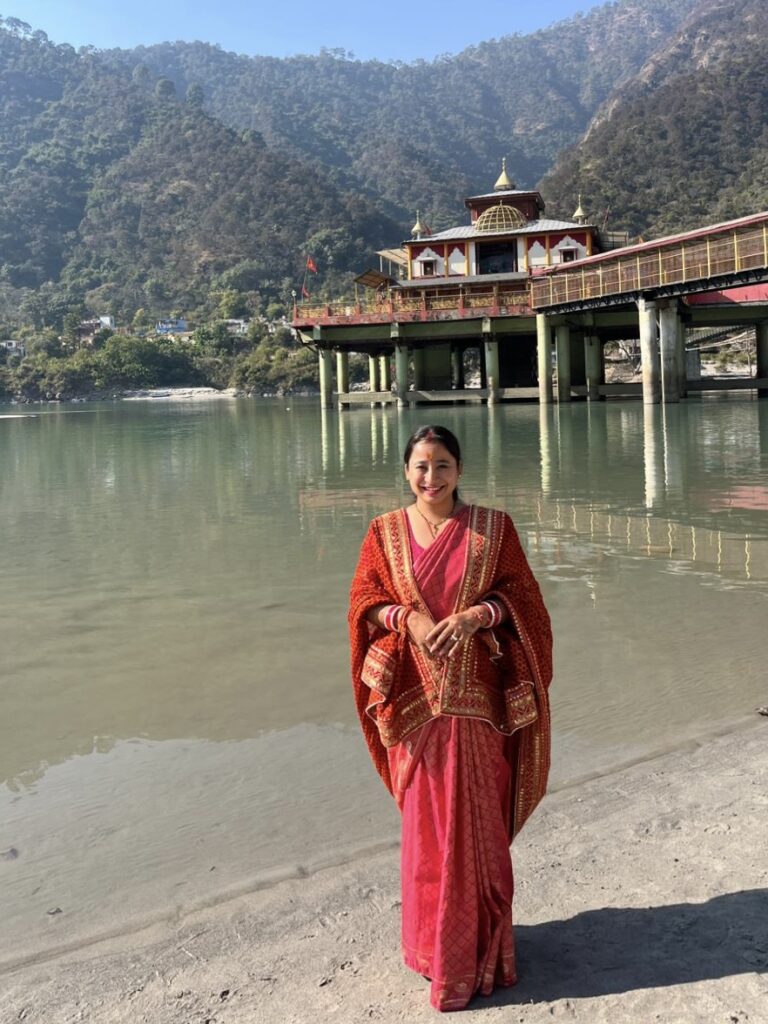
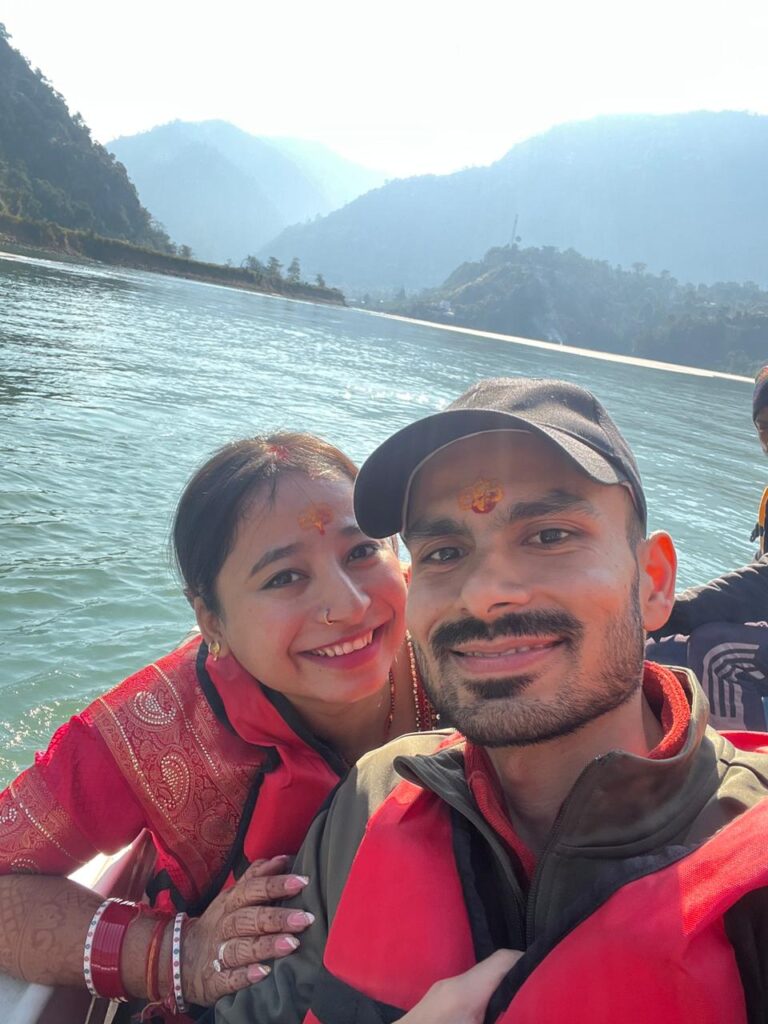
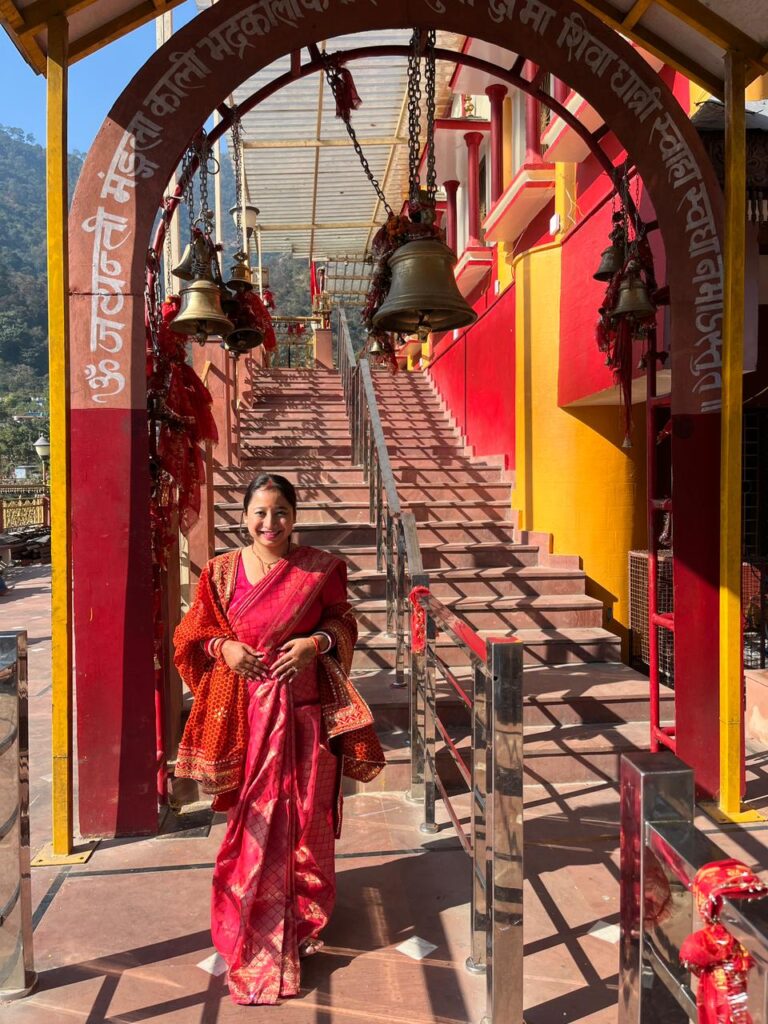
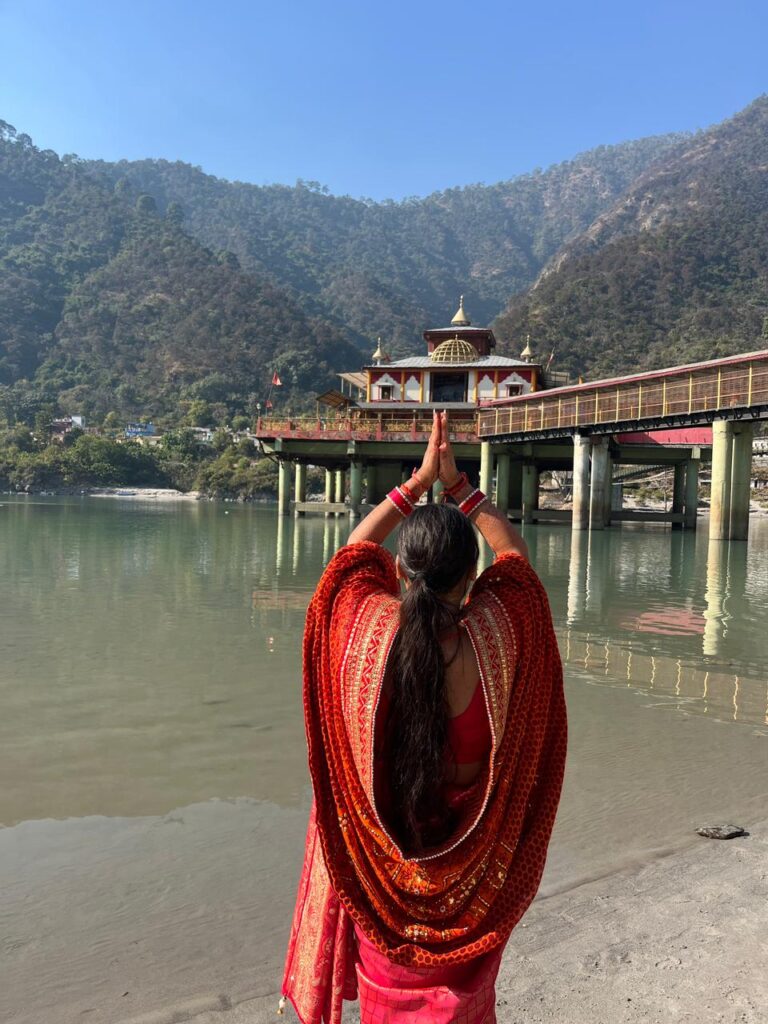
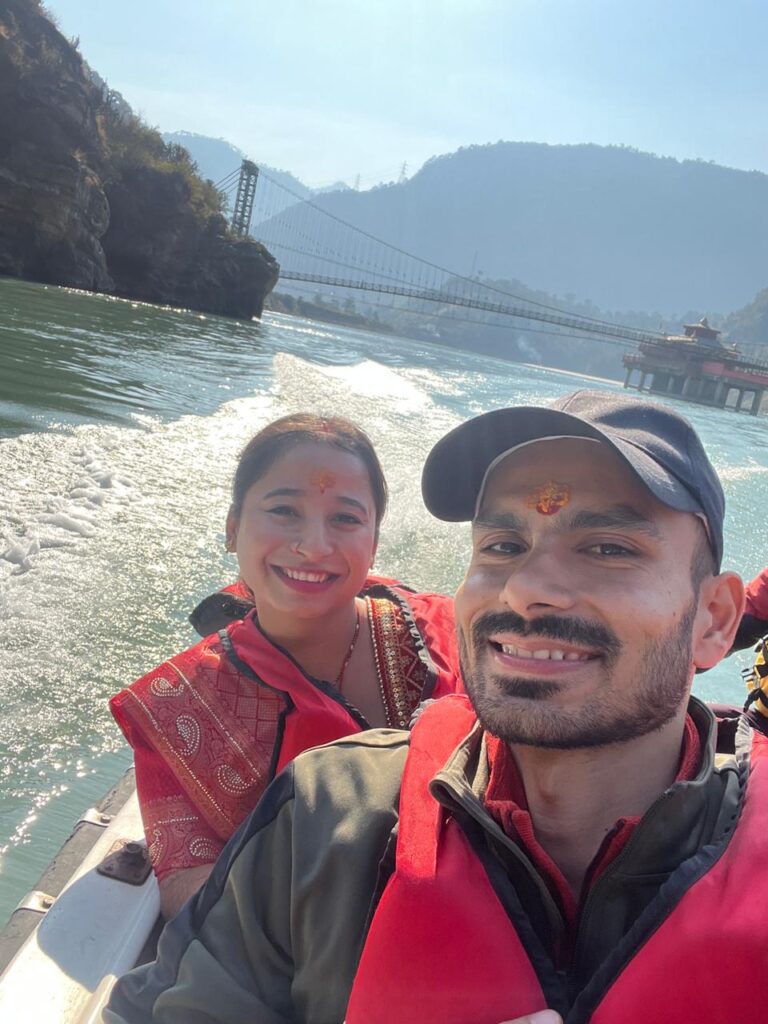
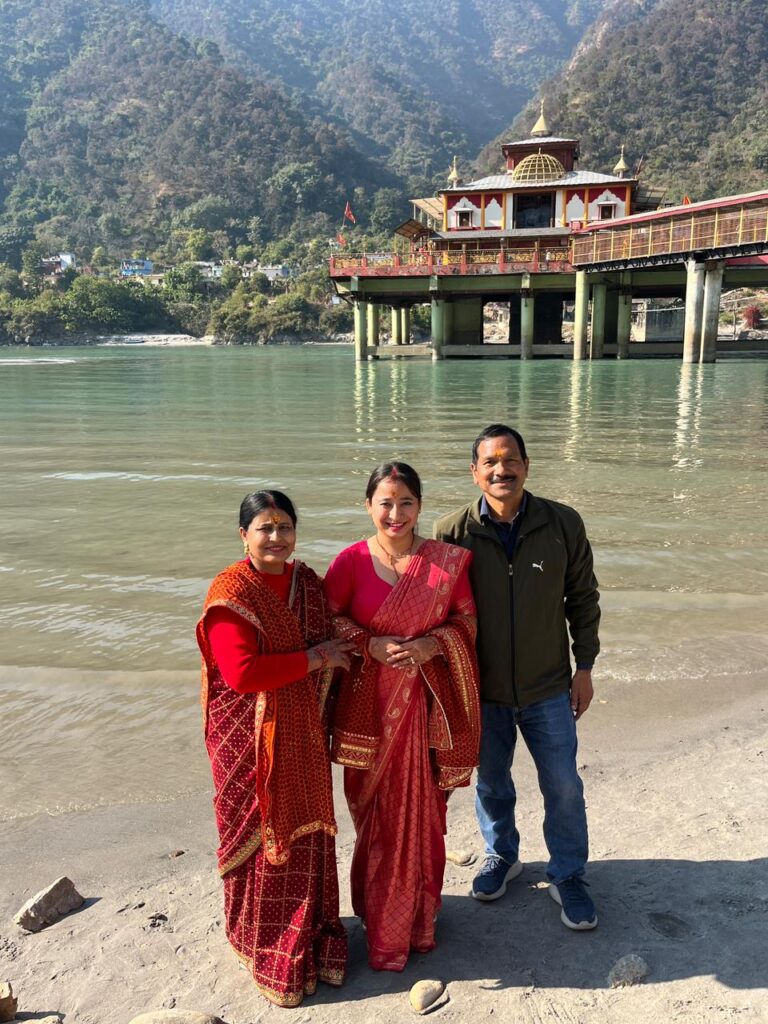
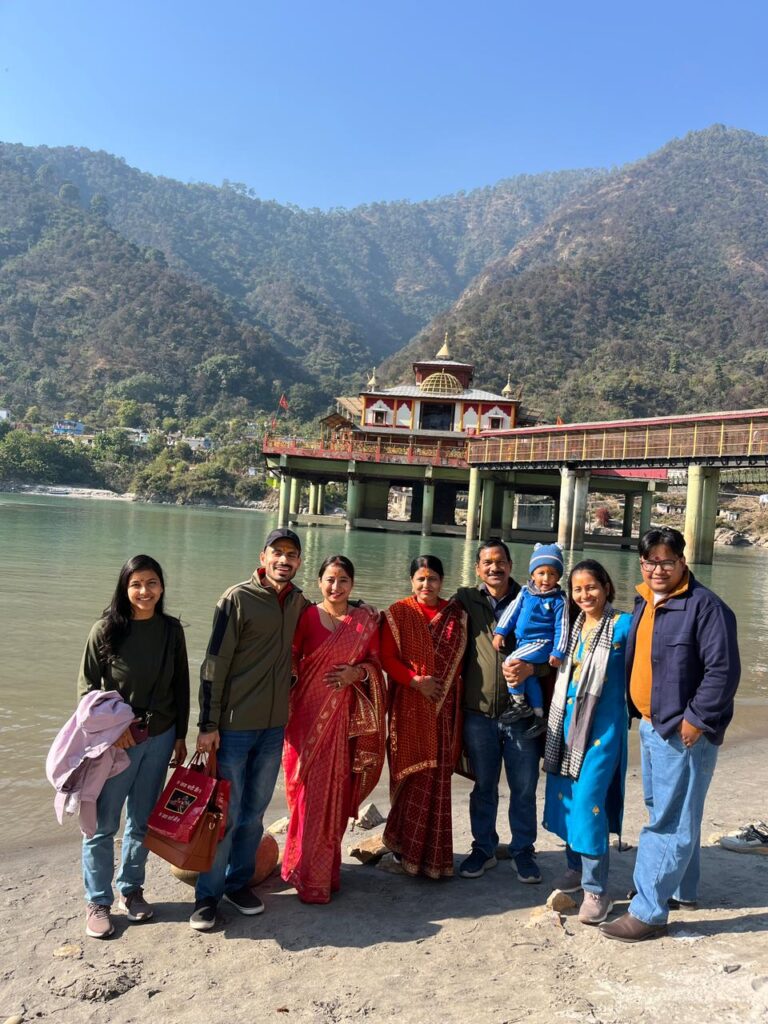
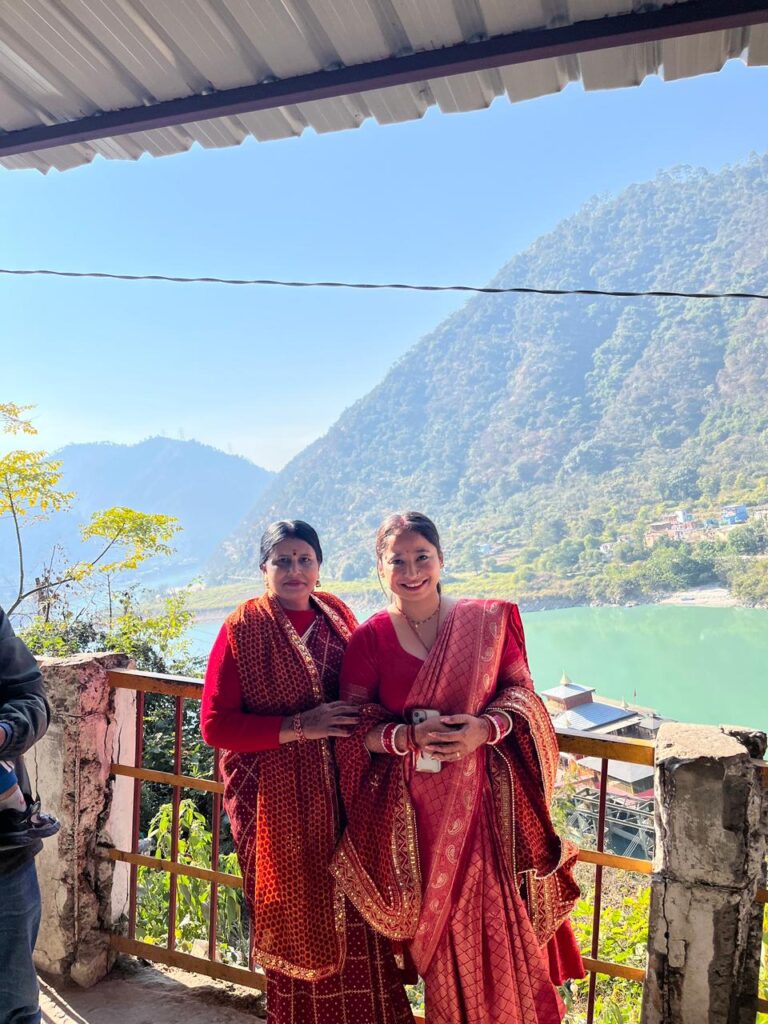
After my marriage, the very first journey of my life was a sacred yatra to Maa Dhari Devi, and it holds a very special place in my heart. At a time when my life was entering a new phase filled with responsibilities, hopes, and quiet prayers, I chose to seek the blessings of the Divine Mother. As I stood on the banks of the holy Alaknanda River, surrounded by the calm strength of the Himalayas, I felt an overwhelming sense of peace, protection, and reassurance. It felt as if Maa Dhari Devi was silently blessing my new beginning, guiding me toward a life filled with love, balance, and strength.
This yatra was more than just a visit to a temple—it was a moment of surrender, gratitude, and deep faith. With folded hands and a hopeful heart, I prayed for harmony in my married life and the wisdom to walk this new path with patience and devotion. The divine energy of Maa Dhari Devi made me feel protected, as if a mother was watching over her child. This sacred journey became the foundation of my married life, reminding me that with Maa Dhari Devi blessings, every step forward would be filled with courage, grace, and divine guidance.
The temple of Maa Dhari Devi stands as a powerful symbol of protection and Shakti. As I approached the shrine, surrounded by the majestic Himalayas and the sound of flowing water, I felt a sense of peace and strength that words can hardly describe. This journey reminded me that Maa Dhari Devi is not only the Guardian of the Char Dham but also a divine mother who blesses and protects every devotee who seeks her with a pure heart.
BEST TIME TO VISIT MAA DHARI DEVI TEMPLE
MARCH TO JUNE ( BEST TIME )
The best time to visit Maa Dhari Devi Temple is from March to June. During these months, the weather is pleasant, the roads are mostly safe, and the natural beauty of the Alaknanda River is at its best. This period also coincides with the Char Dham Yatra season, making it ideal for pilgrims and travelers.
OCTOBER TO NOVEMBER ( ANOTHER BEST TIME )
The weather is cool and peaceful, crowds are fewer, and the spiritual atmosphere feels deeper and more serene.
DECEMBER TO FEBRUARY ( COLD WEATHER )
The area experiences cold weather and occasional fog. While darshan is possible, visitors should be prepared for low temperatures.
BEST TIME OF DAY FOR DARSHAN
The most peaceful and spiritually uplifting time for darshan is early morning (6:00 AM to 9:00 AM).
The surroundings are calm, and the sound of the river creates a deeply meditative experience.
The evening hours (4:00 PM to 6:00 PM) are also special, especially during the aarti, when the temple is bathed in golden light and devotion fills the air.
JULY TO SEPTEMBER ( TIMES TO AVOID )
The monsoon season (JULY TO SEPTEMBER) is generally not recommended due to heavy rainfall, strong river currents, and the risk of landslides. If you plan to visit during this time, extra caution is required.
HOW TO REACH MAA DHARI DEVI TEMPLE
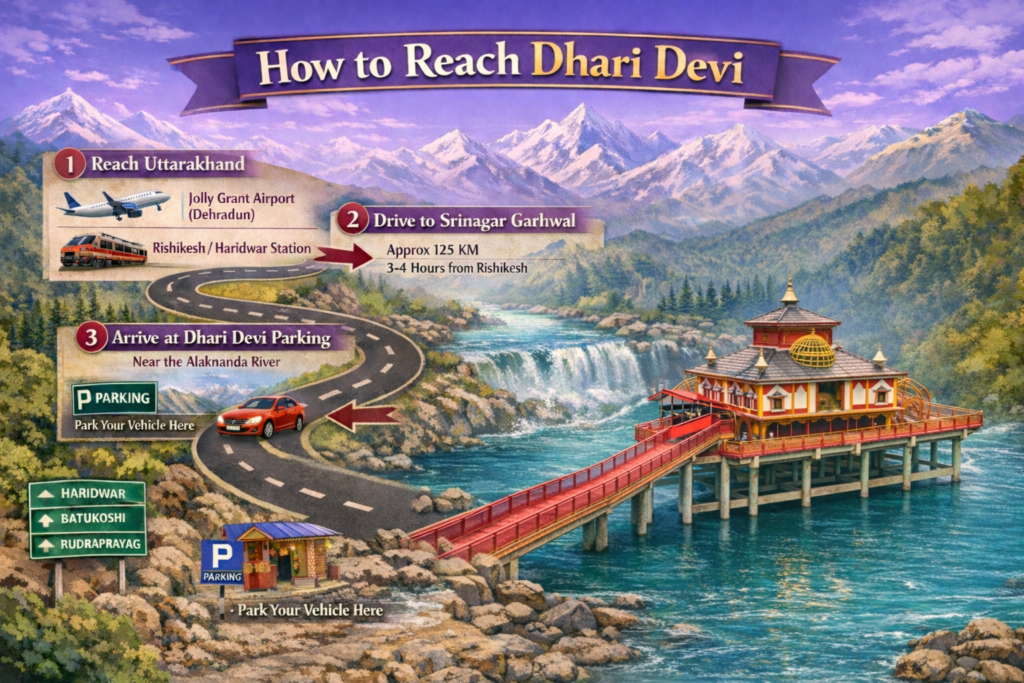
BY AIR:-
- Nearest airport: Jolly Grant Airport, Dehradun
- Distance: ~155 km
- From airport, take a taxi/bus to Srinagar (Garhwal)
BY TRAIN:-
- Nearest railway stations: Rishikesh or Haridwar
- From there, buses and taxis are easily available to Srinagar Garhwal
BY ROAD:-
- Route: Rishikesh → Devprayag → Srinagar (Garhwal).
- Distance from Rishikesh: ~125 km.
- Time: 3–4 hours (scenic mountain drive).
LAST STRETCH:-
- Park your vehicle at Dhari Devi Parking (near Alaknanda River).
- Walk ~500 meters on a footbridge to reach the temple.
DISTANCES TO MAA DHARI DEVI TEMPLE
| From Place | Distance to Dhari Devi |
|---|---|
| Srinagar (Uttarakhand) | 14km (nearest town) |
| Rudraprayag | 19 km |
| Devprayag | 48 km |
| Rishikesh | 118 km |
| Haridwar | 142 km |
| Dehradun | 156 km |
| Delhi | 368 km |
| Kedarnath | 107–115 km (via Rudraprayag/Guptkashi) |
| Badrinath | 169 km |
| Guptkashi | 62 km |
| Joshimath | 130 km |
| Uttarkashi | 172 km |
| Chopta | 42 km |
| Ukhimath | 60 km |